WE ARE VIRTUS CONCRETE
About Virtus Concrete
Your National Permeable Concrete Specialists
Our Permeable Paving Solution
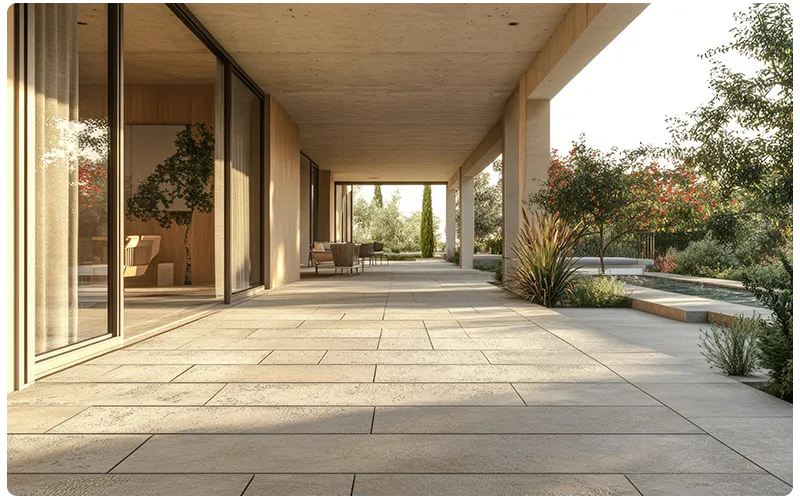
Our permeable concrete lets clean rainwater pass through the surface and back into the ground. This takes pressure off stormwater drains and helps refill underground water supplies. It also helps cool down built-up areas, where hard surfaces trap heat. It suits homes, commercial sites, and civil projects, and it looks good too. Compared with standard ready-mix concrete or asphalt, it’s a smarter choice for your property and the environment.
Not sure which permeable paving solution option is right for you? No worries! Our team is here to assist you.
WE DELIVER BEST RESULTS
Why Choose Virtus Concrete
Core Values
 Go beyond what our customers expect Respect others, as we wish to be respected Inspire with assurance Focus on people’s strengths Help each other look good We’re all in this together Be honest and real
Mission Statement
Vision
We want to see a future where building sustainably is normal across Australia. Every job we finish shows that eco-friendly paving can be strong, good-looking, and practical. We hope our work encourages more builders, councils, and homeowners to choose greener options, so we all leave behind a healthier environment.

Proudly Serving Since 2012

Patented Admixtures

Competitive Pricing

Focus on Quality

Fully Permeable Solutions

Custom Mix Designs

Trained Installation Teams

All Work Guaranteed

Proven Technology

Head Office Technical Support
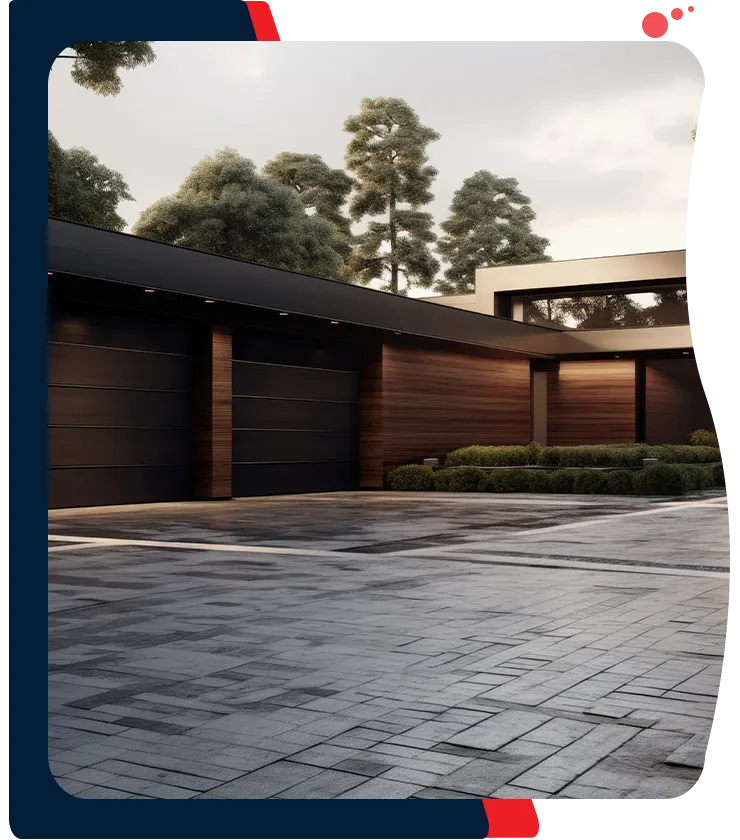
A Simple, Reliable Process from Start to Finish
Initial Contact and Consultation
Get in touch, and our friendly team will answer any questions about our products and services. We’ll find out what you need, then book a time that suits you for a free on-site visit.
Site Inspection and Customised Proposal
We visit your site to check the ground, drainage, access and any council requirements. Then we put together a clear proposal with the right product, a detailed quote, and a timeline, so you know exactly what to expect.
Project Commencement and Execution
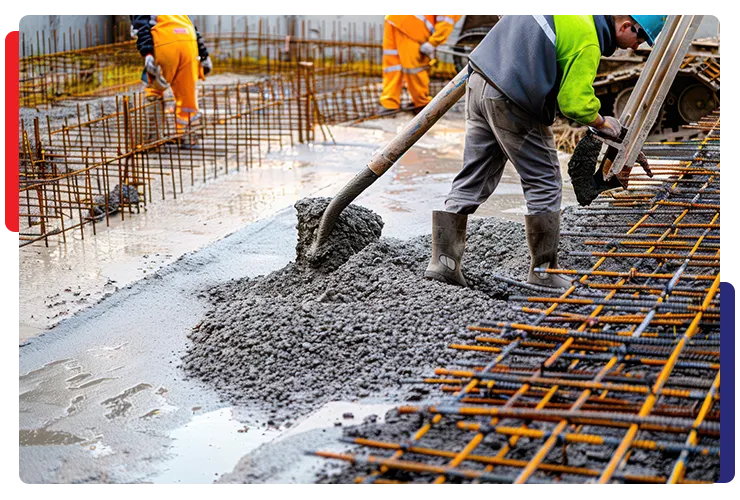
Once you’re happy with the proposal, we lock in a start date. Our trained crew prepares the site and places the concrete using our own mix of designs and equipment. We keep you updated the whole way through.
Job Completion and Customer Satisfaction
When the work is done, we walk through the finished job with you and make sure you’re happy. We’ll also give you simple care tips, so your new surface stays in great shape. All our work is backed by our guarantee.
Your National Permeable Concrete Specialists
Frequently Asked Questions
What services does Virtus Concrete provide?
We offer permeable paving solutions and traditional concrete and civil construction for residential, commercial and civil projects throughout Australia.
What are the differences between conventional concrete and permeable solutions?
Traditional concrete is waterproof, so the water runs off the surface and into drains. Permeable concrete has tiny voids, or air pockets, that let water flow through the surface and into the ground below.
What are the benefits of permeable concrete to the environment?
Provides environmental benefits such as reducing stormwater runoff, providing a source of recharged water for aquifers, trees and vegetation, and reducing heat islands in urban areas.
Why should I use Virtus Concrete for my construction project?
You will receive a patented permeable system that is unique to Australia. You will also benefit from expert installation, a bespoke mix design, and technical support from us, and all our services are guaranteed.
Are you able to modify the concrete mix to meet the specific needs of the project?
Yes. We formulate our own exclusive range of mix designs and admixtures so that we can design a mix to meet the needs of your area, the structural requirements of your project, and its appearance.
What are the key uses of permeable paving solutions?
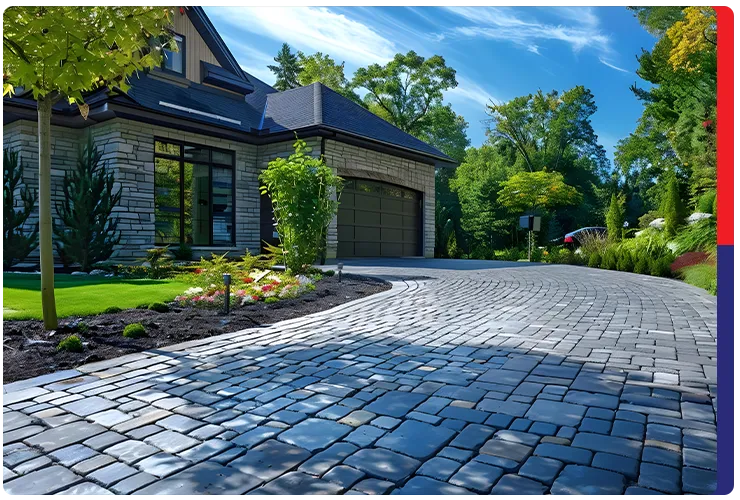
Driveways, footpaths, car parks, courtyards and large tree surrounds are often paved with permeable paving and can be a great solution if your site has council stormwater requirements.
Can permeable concrete be used for both residential and commercial projects?
Yeah. Our permeable concrete is appropriate for residential and commercial applications. Permeable concrete is something we install on a variety of surfaces, including residential, commercial and civil works, taking into account the weight and demands of the application.
What maintenance is required for permeable paving?
Simply keep your surface clear of leaves, dirt, and other surface debris that could prevent water from entering the voids. All it takes is a simple sweep, and we will be able to advise you as to the best way to clean and care for your surface.
What is Virtus Concrete’s approach to large-scale civil construction projects?
We are specialists in major civil works with a careful planning process taking into account mix design, programme and installation to deliver large projects on time and to a high standard.
What safety measures does Virtus Concrete take at its construction sites?
Safety is a priority in all our jobs. Our teams are trained in and follow strict safety procedures and wear the appropriate safety gear as needed to mitigate the potential risks of concrete and civil work.