Sustainable Concrete Solutions That Work with Nature
When it rains, the water should soak into the ground. But in a busy city, most of it hits a hard surface and can’t infiltrate. At Virtus Concrete, we’re all about creating surfaces that allow the rain to pass through, since it is one of the easiest ways to incorporate sustainable concrete into any city’s buildings.
We’ve been working with concrete for years now, and we know the importance of a surface that looks the part, lasts the distance and is kind to the Australian environment.
The Problem with Hard Surfaces
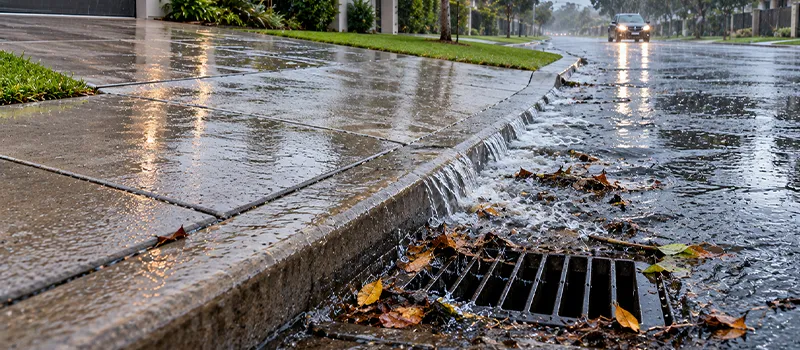
Imagine a normal concrete driveway during a downpour of rain where the water has nowhere to go but roll away with the gutter into stormwater drains, creeks, rivers, and ultimately the bay.
On the way, oil, dirt, leaves and litter are swept up with it. During a large storm, the drains can fill up faster than they can empty, causing streets and backyards to flood. All of the new roofs, roads, and driveways contribute to the problem because of the hard surfaces.
Our Answer: Permeable Concrete
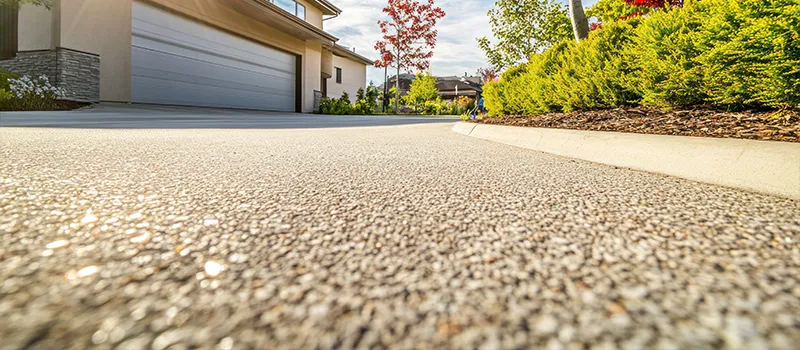
Permeable concrete looks a lot like normal concrete, but it has lots of tiny pores in it. Think of a sponge, only strong enough to drive on. Rain falls onto the surface and seeps down through the gaps to either infiltrate into the ground or into a drainage layer below.
Virtus Concrete is one of the leading companies in Australia offering a patented permeable concrete paving system. We also specialise in installing permeable resin-bound stone, gravel grids and permeable pavers, so there are plenty of options for a permeable surface. See our Permeable Solutions page for the full range.
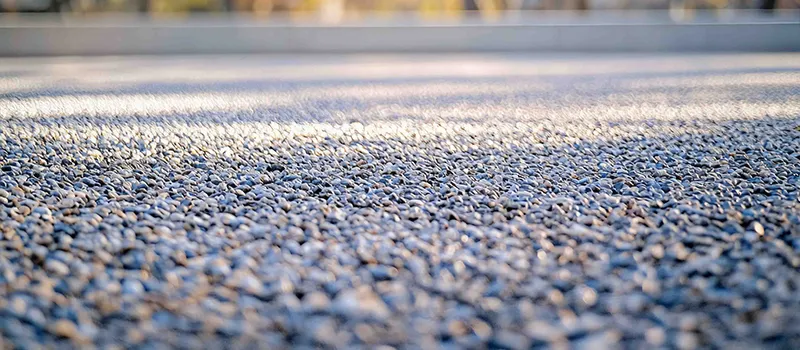
How Permeable Concrete Is Good for The Environment
Less Flooding
Rainwater tends to trickle down the surface rather than run off into the street when using permeable concrete. Also, the street is less likely to flood because having a surface that doesn't absorb water means the water doesn't have anywhere to go
Cleaner Creeks, Rivers, and Bays
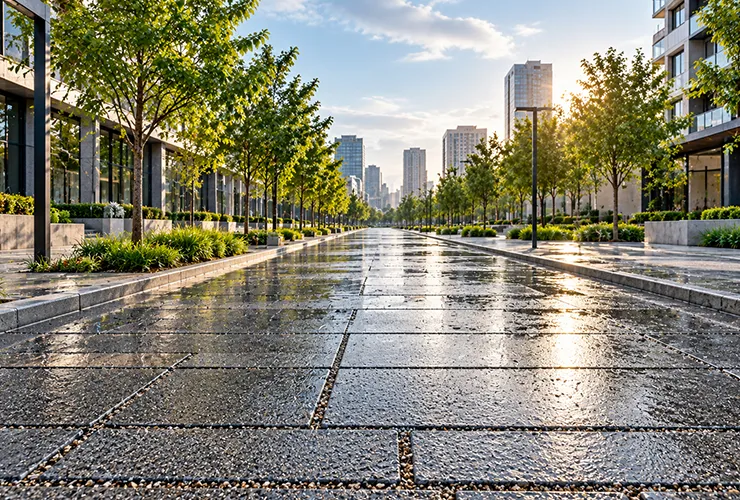
With it, the water flows down through the surface and the stone base, naturally filtering some of the grime, oil, and dirt. This means there is less pollution going into our water systems, and therefore, our aquatic wildlife, birds, and water plants are healthier.
Water Back into The Ground
Where the ground will accept it, the water soaks down into the soil, and nearby trees, lawns, and garden beds get a drink rather than being washed over a drainage pit.
Cooler Spaces on Hot Days
Solid concrete absorbs the sun's heat and retains it. A permeable surface allows the moisture and air to pass straight through, providing a cooler environment for nearby shade-giving trees, which in turn offer cool shade on hot summer days.
Fewer Pipes and Pits
Wherever a permeable surface is installed, less underground drainage work is required on the project at hand. Fewer pits and pipes mean less excavation, and less material and energy is required to install them.
Meeting WSUD Guidelines
WSUD stands for Water Sensitive Urban Design. It’s a new way of planning homes, streets, and suburbs so that rainwater is dealt with more thoughtfully. Our permeable concrete mix is designed to meet WSUD guidelines, helping builders, developers and councils manage stormwater on-site.
Part of Australia's Push to Create Lower-Carbon Concrete
Concrete is the most used building product in the world, and Australia will need even more of it as the country grows. The entire industry is looking to become cleaner and more sustainable.
In 2021, Australia’s cement and concrete industry pledged net zero carbon concrete by 2050, which means reducing the gases that warm our atmosphere as much as possible and balancing out what remains. For further details on the industry’s Climate Ambition Statement and the strategies outlined by Cement Concrete & Aggregates Australia (CCAA) to meet their objectives, please refer to their resources.
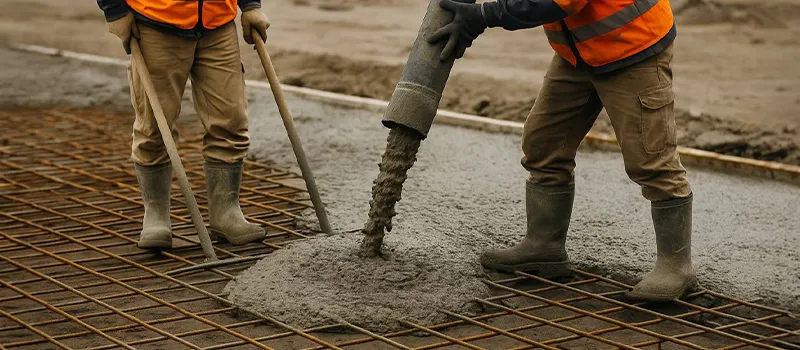
To reach net zero, the industry will need to take many different steps, such as:
01
02
03
Making choices based on a product’s performance over its whole life rather than when it’s first purchased.
We’re proud to do our part. All the surfaces we build are made to last, so they don’t need to be replaced again and again and again. It creates less waste for decades to come.
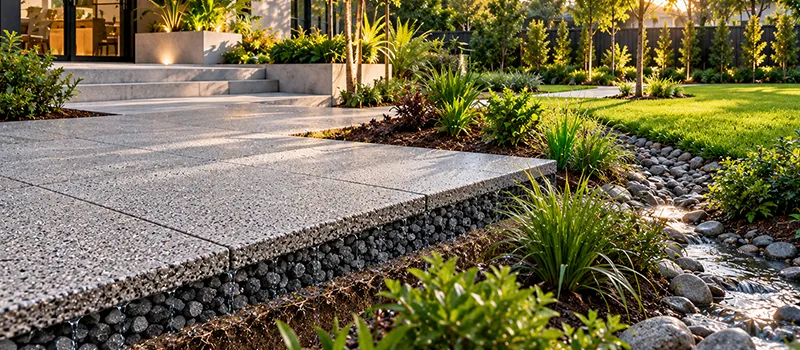
Sustainability Beyond the Surface
Being a sustainable company isn’t just about the products but also the processes. We work with the right products for each project, keep sites clean, and dispose of waste appropriately throughout the whole project.
We make greener outdoor spaces, too. Our Landscape Construction team handles drainage, soil and planting, so new paving and gardens complement each other.
Where You Can Use It
Permeable surfaces are right for driveways, footpaths, patios, courtyards, carparks, and roads. Virtus Concrete works with residential, commercial and civil projects, and you can take a look at our Completed Projects page to see our work.